











Rose (Plate 93) by Pierre Joseph Redouté, 1827
Opera d’arte autentica
L’opera d’arte che stampiamo è fedelmente restaurata dalla fonte originale - solitamente un museo, una biblioteca o una collezione privata. Non sostituiamo mai, ridisegniamo o inventiamo l’opera dell’artista usando l’IA generativa.
Consegna natalizia & regali

Invialo direttamente al destinatario
Aggiungi un messaggio regalo al carrello, quindi inserisci l’indirizzo di consegna del destinatario al checkout. Stamperemo il tuo messaggio su un biglietto. Nel pacco non sono inclusi prezzi.
Tempi di consegna
La consegna standard è gratuita in tutto il mondo e richiede solitamente circa 3 giorni lavorativi. Vuoi inviare un regalo all’estero? Realizziamo la maggior parte degli ordini localmente, nel paese del destinatario.
Per gli ordini personalizzati, prevedi tempi aggiuntivi per la progettazione e l’approvazione della bozza. Consulta i dettagli di consegna.
Resi: Gli ordini standard possono essere restituiti o cambiati entro 90 giorni dalla consegna. Gli articoli personalizzati e realizzati su misura sono generalmente esclusi dai resi per ripensamento. Consulta la nostra politica sui resi.
Saldi del Black Friday
Scegli un articolo e ottieni il 20% di sconto.
Scegli due opere e ricevi il 30% di sconto su entrambe. Puoi combinare liberamente mappe e stampe d’arte.
Non è necessario alcun codice. L’offerta viene applicata automaticamente.
Termini e condizioni completi
L’Offerta del Collezionista si applica alle opere idonee nelle configurazioni standard realizzate su ordinazione. Sono esclusi i formati su misura, i design personalizzati e i lavori su commissione. I prodotti con “personalised” o “custom” nel nome sono generalmente esclusi.
L’offerta è gestita come due sconti automatici separati: uno per i formati più piccoli e uno per i formati più grandi. Per avere diritto allo sconto, è necessario acquistare due opere idonee all’interno dello stesso gruppo di formati. Le mappe e le stampe d’arte possono essere abbinate liberamente all’interno di ciascun gruppo.
Ad esempio, due stampe idonee in formato A4 o 8 × 10 in danno diritto al 30% di sconto su entrambe. Una stampa di formato più piccolo e un’opera di formato più grande non danno diritto allo sconto se acquistate insieme, poiché gli articoli di gruppi di formati diversi non possono essere combinati per soddisfare il requisito dei due articoli.
Non è richiesto alcun codice sconto. Qualsiasi sconto idoneo viene applicato automaticamente nel carrello e al checkout.
Christmas schedule filling up. Order early.
Christmas orders & our workshop schedule
Our Christmas schedule is filling up, particularly for personalised maps and bespoke pieces. Ordering early allows time to prepare your artwork, complete any design approvals, and arrange printing and framing.
If your order requires a design preview, we’ll ask for your approval before printing. A prompt reply helps us keep your order moving through the workshop.
For standard maps and art prints, check the delivery estimate shown on the page. Larger framed orders travel more slowly through the logistics networks. Personalised and bespoke orders need time for design and approval.
Planning something more involved, or working to a particular deadline? Contact the workshop before ordering and we’ll help you check what’s possible.
Scegli il formato
Scegli la finitura


(Maggiori informazioni)
Gift message & custom finish

If you want to add a gift message, or a finish (jigsaw, aluminium board, etc.) that is not available here, please request it in the "order note" when you check out.
Every order is custom made, so if you need the size adjusted slightly, or printed on an unusual material, just let us know. We've done thousands of custom orders over the years, so there's (almost) nothing we can't manage.
You can also contact us before you order, if you prefer!
- Prodotto in the USA. Consegna sicura
- Arriva perfetto, altrimenti lo sostituiamo
-
Consegna e regali di Natale Consegna natalizia & regali
![Visualizza un esempio a grandezza naturale del biglietto con messaggio regalo stampato]()
Invialo direttamente al destinatario
Aggiungi un messaggio regalo al carrello, quindi inserisci l’indirizzo di consegna del destinatario al checkout. Stamperemo il tuo messaggio su un biglietto. Nel pacco non sono inclusi prezzi.
Tempi di consegna
La consegna standard è gratuita in tutto il mondo e richiede solitamente circa 3 giorni lavorativi. Vuoi inviare un regalo all’estero? Realizziamo la maggior parte degli ordini localmente, nel paese del destinatario.
Per gli ordini personalizzati, prevedi tempi aggiuntivi per la progettazione e l’approvazione della bozza. Consulta i dettagli di consegna.
Resi: Gli ordini standard possono essere restituiti o cambiati entro 90 giorni dalla consegna. Gli articoli personalizzati e realizzati su misura sono generalmente esclusi dai resi per ripensamento. Consulta la nostra politica sui resi.
- Serve aiuto per ordinare?
La parola ai nostri clienti
Oltre 8.000 recensioni a cinque stelle da tutto il mondo


Plate 93 from Pierre-Joseph Redouté’s Choix des plus belles fleurs, dated 1827, gives a single rose the concentrated presence of a portrait....
Continua a leggerePlate 93 from Pierre-Joseph Redouté’s Choix des plus belles fleurs, dated 1827, gives a single rose the concentrated presence of a portrait. One large pink bloom fills the centre of the composition, its densely layered petals opening towards a richly shadowed heart. Two closed buds rise at the upper left, while serrated leaves and slender stems extend below and to the right, balancing the abundant flower with a taut, economical structure.
Redouté was among the most admired botanical artists working in early nineteenth-century France, celebrated for uniting close natural observation with a distinctly courtly refinement. His flower studies belong to a culture in which botany, horticulture and connoisseurship were closely intertwined: illustrated flower books could communicate the identifying features of a plant while also presenting it as an object of cultivated beauty. In Choix des plus belles fleurs, that dual purpose is especially clear. Botanical information is preserved, but each specimen is arranged with the poise and visual ceremony of an individual likeness.
A closer look
The principal rose is built from innumerable tonal shifts rather than hard divisions. Pale, almost pearly edges turn into warm blush pink, then deepen towards the crowded centre. Several outer petals curl and overlap irregularly, preventing the flower from becoming a perfect decorative rosette; their slight creases and uneven contours retain the sense of a living bloom. Soft, even illumination allows these gradations to model the petals without theatrical contrast, suggesting both their weight and their delicate, near-translucent texture.
Above the open flower, the buds introduce a different kind of precision. Their pale green casings are touched with faint crimson, linking them chromatically to the mature bloom below. The stems form narrow diagonals through the composition, with sharp barbs providing an unexpectedly crisp counterpoint to the softness of the petals. At the lower right, dark foliage anchors the arrangement. Fine veins articulate each leaf, while lighter green highlights follow the ridges and toothed margins.
The asymmetry is carefully judged. The great rose sits slightly off the strict central axis, counterweighted by the buds on one side and the broader spread of leaves on the other. Layering creates a shallow but persuasive depth: the open blossom advances, the buds recede, and individual leaves slip behind the stems. Around them, the warm beige ground remains largely untouched. This generous negative space isolates every contour and gives the study its clarity, while keeping the arrangement from feeling crowded despite the flower’s luxuriant form.
Context and significance
Redouté’s reputation rests on precisely this equilibrium between scientific description and decorative grace. His work emerged at a time when the study and cultivation of flowers occupied both scholarly and fashionable worlds, and his images made those worlds visually compatible. Crisp outlines clarify the rose’s structure; subtle modelling conveys volume and surface; the disciplined arrangement turns observation into design.
This plate is particularly compelling for the contrast it sustains throughout: abundant petals against spare surroundings, muted greenery against luminous pink, and thorny stems against the softness of the bloom. The rose is not treated as a generic emblem but as a specimen with distinct stages of growth, textures and small irregularities—details that reward the patient looking on which Redouté’s enduring appeal depends.
Choosing the right size and finish
Artwork can feel intimate at smaller sizes and dramatically more architectural at larger ones. Use the room preview, model image and size guide to see how the proportions and scale will work in your space.
If you need an exact size, specialist framing or help planning a larger display, ask our workshop for advice.
The model in the listing images is holding the 18x24in (45x60cm) version of this art print.
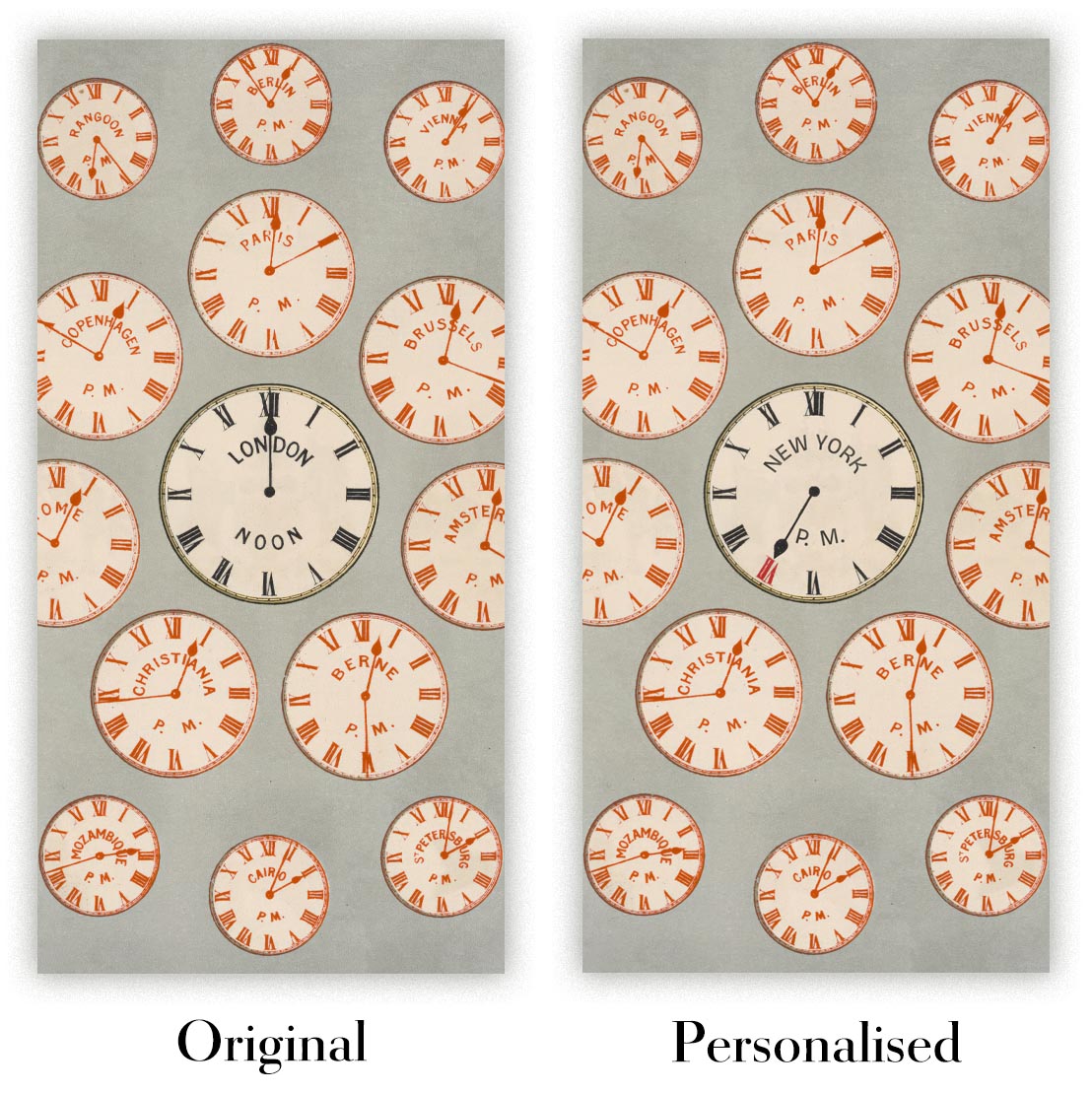
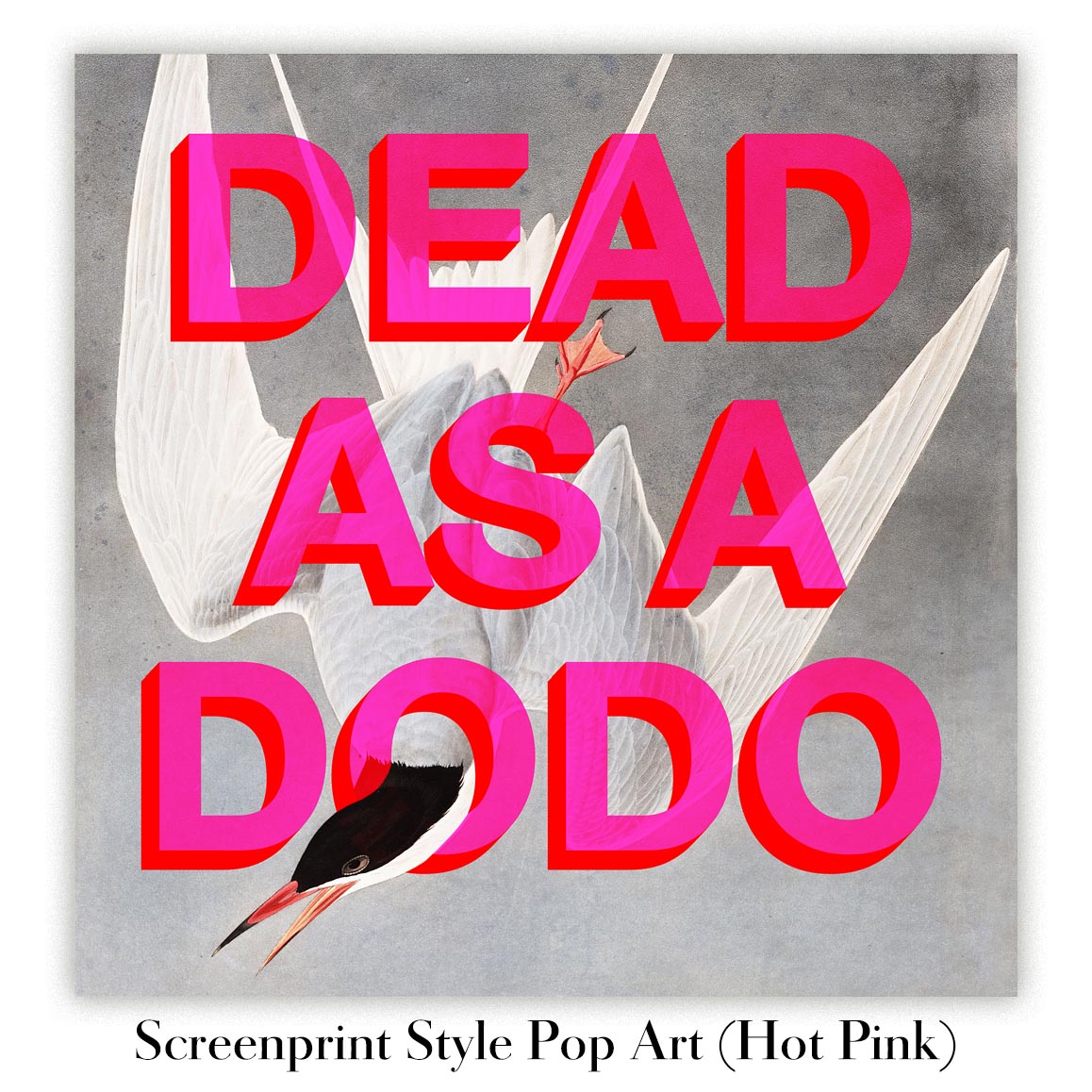
Where personalisation is available, you can add a short title or dedication, or one considered visual detail. See examples of personalised artwork.
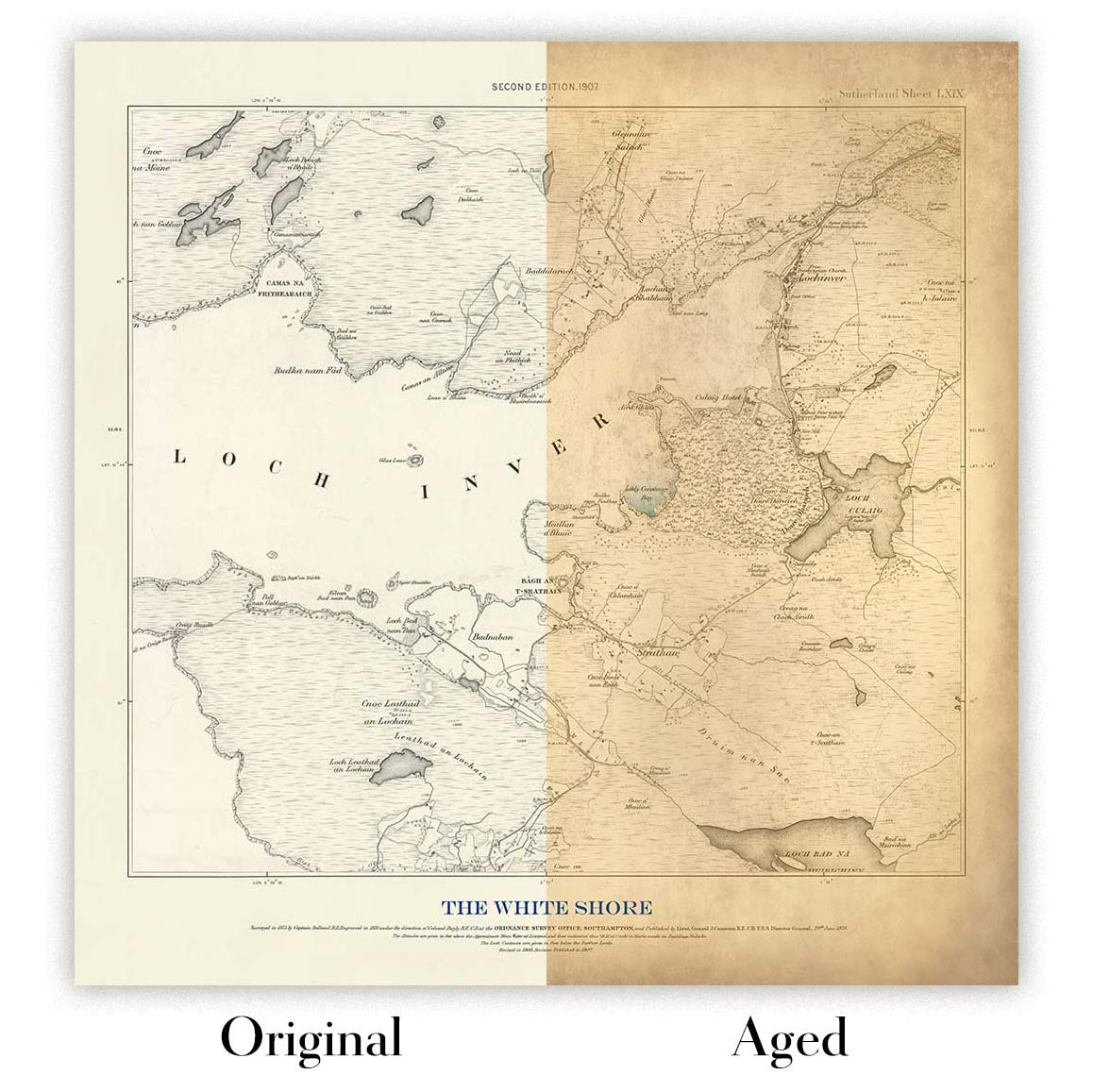
Choose Original to retain the colour and character of the source artwork, or Aged for a warmer, more antique appearance. See examples of our Aged artwork.
Every piece is produced to archival standards using fade-resistant pigment inks on acid-free matte art paper. Choose an art print, framed art print or framed canvas using the finish options above.
Framed art prints use crystal-clear optical acrylic for excellent clarity, lower weight and safer delivery than glass. Each piece arrives professionally framed and ready to hang.
Selected artworks can be produced at statement sizes up to 3 metres (10ft). Custom sizing and specialist framing are also available. If the exact option you need is not listed, contact our workshop.
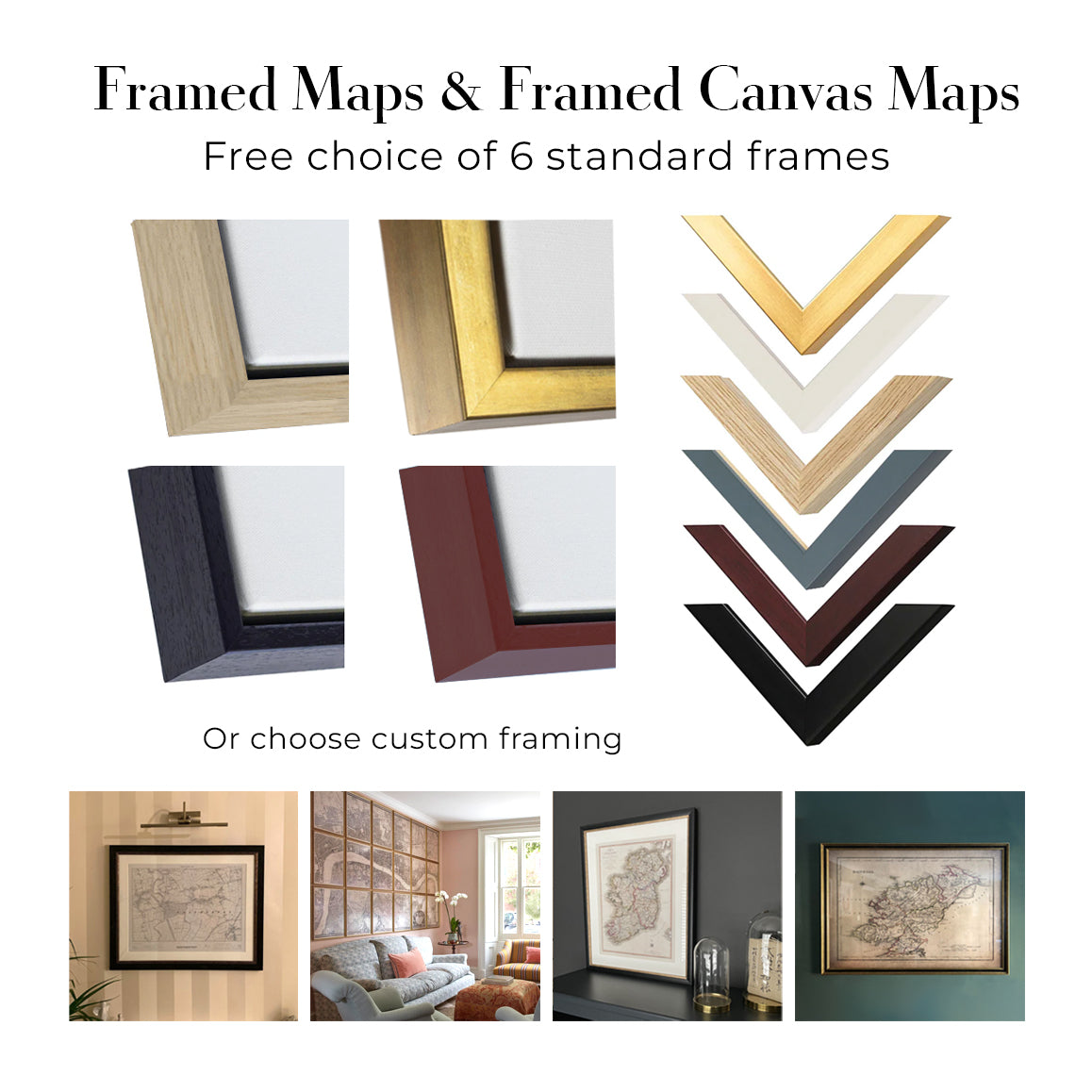
This artwork is also available as a float framed canvas, sometimes known as a shadow gap framed canvas or canvas floater. The work is printed on artist's cotton canvas and then stretched over a handmade box frame. We then "float" the canvas inside a wooden frame, which is available in a range of colours (black, dark brown, oak, antique gold and white). This is a wonderful way to present an art print without glazing in front. See some examples of float framed canvas art and explore the differences between my different finishes.
Plate 93 from Pierre-Joseph Redouté’s Choix des plus belles fleurs, dated 1827, gives a single rose the concentrated presence of a portrait. One large pink bloom fills the centre of the composition, its densely layered petals opening towards a richly shadowed heart. Two closed buds rise at the upper left, while serrated leaves and slender stems extend below and to the right, balancing the abundant flower with a taut, economical structure.
Redouté was among the most admired botanical artists working in early nineteenth-century France, celebrated for uniting close natural observation with a distinctly courtly refinement. His flower studies belong to a culture in which botany, horticulture and connoisseurship were closely intertwined: illustrated flower books could communicate the identifying features of a plant while also presenting it as an object of cultivated beauty. In Choix des plus belles fleurs, that dual purpose is especially clear. Botanical information is preserved, but each specimen is arranged with the poise and visual ceremony of an individual likeness.
A closer look
The principal rose is built from innumerable tonal shifts rather than hard divisions. Pale, almost pearly edges turn into warm blush pink, then deepen towards the crowded centre. Several outer petals curl and overlap irregularly, preventing the flower from becoming a perfect decorative rosette; their slight creases and uneven contours retain the sense of a living bloom. Soft, even illumination allows these gradations to model the petals without theatrical contrast, suggesting both their weight and their delicate, near-translucent texture.
Above the open flower, the buds introduce a different kind of precision. Their pale green casings are touched with faint crimson, linking them chromatically to the mature bloom below. The stems form narrow diagonals through the composition, with sharp barbs providing an unexpectedly crisp counterpoint to the softness of the petals. At the lower right, dark foliage anchors the arrangement. Fine veins articulate each leaf, while lighter green highlights follow the ridges and toothed margins.
The asymmetry is carefully judged. The great rose sits slightly off the strict central axis, counterweighted by the buds on one side and the broader spread of leaves on the other. Layering creates a shallow but persuasive depth: the open blossom advances, the buds recede, and individual leaves slip behind the stems. Around them, the warm beige ground remains largely untouched. This generous negative space isolates every contour and gives the study its clarity, while keeping the arrangement from feeling crowded despite the flower’s luxuriant form.
Context and significance
Redouté’s reputation rests on precisely this equilibrium between scientific description and decorative grace. His work emerged at a time when the study and cultivation of flowers occupied both scholarly and fashionable worlds, and his images made those worlds visually compatible. Crisp outlines clarify the rose’s structure; subtle modelling conveys volume and surface; the disciplined arrangement turns observation into design.
This plate is particularly compelling for the contrast it sustains throughout: abundant petals against spare surroundings, muted greenery against luminous pink, and thorny stems against the softness of the bloom. The rose is not treated as a generic emblem but as a specimen with distinct stages of growth, textures and small irregularities—details that reward the patient looking on which Redouté’s enduring appeal depends.
Choosing the right size and finish
Artwork can feel intimate at smaller sizes and dramatically more architectural at larger ones. Use the room preview, model image and size guide to see how the proportions and scale will work in your space.
If you need an exact size, specialist framing or help planning a larger display, ask our workshop for advice.
The model in the listing images is holding the 18x24in (45x60cm) version of this art print.
Where personalisation is available, you can add a short title or dedication, or one considered visual detail. See examples of personalised artwork.
Choose Original to retain the colour and character of the source artwork, or Aged for a warmer, more antique appearance. See examples of our Aged artwork.
Every piece is produced to archival standards using fade-resistant pigment inks on acid-free matte art paper. Choose an art print, framed art print or framed canvas using the finish options above.
Framed art prints use crystal-clear optical acrylic for excellent clarity, lower weight and safer delivery than glass. Each piece arrives professionally framed and ready to hang.
Selected artworks can be produced at statement sizes up to 3 metres (10ft). Custom sizing and specialist framing are also available. If the exact option you need is not listed, contact our workshop.
This artwork is also available as a float framed canvas, sometimes known as a shadow gap framed canvas or canvas floater. The work is printed on artist's cotton canvas and then stretched over a handmade box frame. We then "float" the canvas inside a wooden frame, which is available in a range of colours (black, dark brown, oak, antique gold and white). This is a wonderful way to present an art print without glazing in front. See some examples of float framed canvas art and explore the differences between my different finishes.
Molte delle nostre mappe e stampe d'arte sono scelte come regali premurosi per case, uffici, studi e luoghi significativi.
Scegli un'opzione incorniciata per il regalo più semplice, pronto da appendere, oppure scegli una stampa non incorniciata se il destinatario preferisce selezionare la propria cornice.
Realizziamo gli ordini localmente in 24 paesi nel mondo, così i regali possono spesso essere prodotti vicino al destinatario. Questo aiuta a farli arrivare più rapidamente, viaggiare in modo più sicuro ed evitare sorprese legate a dogana o dazi d'importazione.
- Possiamo consegnare direttamente al destinatario. Non sono incluse informazioni sui prezzi.
- È possibile aggiungere un messaggio regalo al tuo ordine. Lo stamperemo su un elegante biglietto.
- I pezzi incorniciati arrivano pronti da appendere
- Le stampe non incorniciate sono imballate con cura in un resistente tubo protettivo
- Quasi ogni ordine viene realizzato localmente, per regali più rapidi e sicuri
- Il reso entro 90 giorni dà al destinatario il tempo di decidere
Se non sei sicuro di cosa scegliere, contattaci. Possiamo aiutarti a scegliere la mappa, il formato, la finitura o l'opzione di consegna più adatti.
Most orders are made locally and delivered in around 2–3 working days, depending on the product, size and destination.
We print and frame maps and artwork in 24 countries around the world, so your order is usually made close to you or your recipient. That means faster delivery, less time in transit, and no customs or import duty surprises.
Personalised and customised pieces usually take an extra 1–2 working days, because we prepare your design and send it to you for approval before printing.
Very large framed orders can take a little longer, as they need extra care in production and delivery.
Every order is carefully packaged: unframed prints are sent in a strong protective tube, while framed pieces are securely packed with protective materials around the frame.
If you need your order by a particular date, please contact us before ordering. We’ll check the best production route and delivery option for your location.
Express delivery is available at checkout for most countries. Next-day delivery is available in the UK, US, Singapore and the UAE.
Your order is covered by our 90-day returns policy and 10-year guarantee.
Our standard frame is a gallery-style black ash hardwood frame, with a simple, modern look. It is approximately 20mm (0.8in) wide. You can also view some lovely customer photos of framed maps and art.
We use super-clear acrylic glazing, also known as Perspex or Acrylite, instead of traditional glass. It is lighter, safer, and has lower reflectivity, giving the artwork a clearer, cleaner appearance.
Six standard frame colours are available at no extra cost: black, dark brown, dark grey, oak, white, and antique gold. Custom framing and mounting/matting is also available for customers looking for something more specific.
Most maps, art prints, and illustrations are also available as a framed canvas. We use matte cotton canvas, stretch it over a sustainably sourced wooden box frame, and then float the piece within a wooden outer frame. The finished result is beautifully presented, with no glazing between you and the artwork.
All frames are supplied ready to hang, with either string or brackets fitted to the back. Very large frames will include heavy-duty hanging plates and/or a mounting baton. If you have any questions, please get in touch.
We can also supply old maps and artwork on canvas, foam board, cotton rag, and other materials.
If you would prefer to frame your map or artwork yourself, please read our size guide before ordering.
Lavoriamo con interior designer, realtà del settore hospitality, professionisti del settore immobiliare, uffici e acquirenti aziendali per singoli pezzi e progetti coordinati di più ampia portata.
Quest'opera può essere adattata a una specifica parete, stanza o progetto e il nostro laboratorio può aiutare a coordinare dimensioni, materiale e incorniciatura prima della produzione.
- Dimensioni precise, extra-large e su misura
- Incorniciatura personalizzata, montaggio e materiali alternativi
- Pezzi coordinati per più stanze o sedi
- Personalizzazione dell'opera, per regolarne il colore e lo stile
- Consulenza su arte e incorniciatura da parte del nostro laboratorio
- Produzione locale per progetti in tutto il mondo
Ogni stampa artistica restaurata inizia dall’opera originale dell’artista—mai da una sostituzione generata dall’IA.
Il nostro studio di Londra lavora a partire da materiali di origine accuratamente selezionati da musei, biblioteche, archivi e collezioni private. Restauriamo i danni dovuti all’età, i colori sbiaditi e le imperfezioni di riproduzione, preservando al contempo la composizione, il tratto del pennello, il segno, la texture e il carattere d’epoca dell’artista.
Non utilizziamo l’IA generativa per ridisegnare, reinterpretare o inventare l’opera. Il restauro digitale viene impiegato solo per recuperare e riprodurre l’opera originale nel modo più fedele possibile.
Una volta restaurata, l’opera master viene preparata per il formato e la finitura da te scelti. Il tuo pezzo viene quindi stampato e, se selezionato, incorniciato vicino alla destinazione di consegna.
Le nostre stampe artistiche giclée utilizzano carta opaca archivistica senza acidi da 200 g/m² e inchiostri pigmentati resistenti allo sbiadimento, per una finitura ricca e di qualità museale. Le stampe artistiche incorniciate utilizzano acrilico ottico cristallino e arrivano pronte da appendere.
Sono disponibili anche tele incorniciate ed edizioni speciali su cotone-rag. Scopri di più sui nostri materiali e finiture.
Restauriamo e produciamo mappe e stampe d’arte dal 1984, e garantiamo personalmente ogni pezzo.
Ogni ordine è coperto dalla nostra garanzia di 10 anni e dalla garanzia di consegna senza danni. Se il vostro pezzo arriva danneggiato, lo sostituiremo o lo rifaremo gratuitamente. Se qualsiasi altro aspetto non fosse conforme, contattate il nostro team di laboratorio e provvederemo tempestivamente a risolvere il problema.
Per tutti i dettagli, consultate la nostra politica su resi e rimborsi.


